October 06, 2026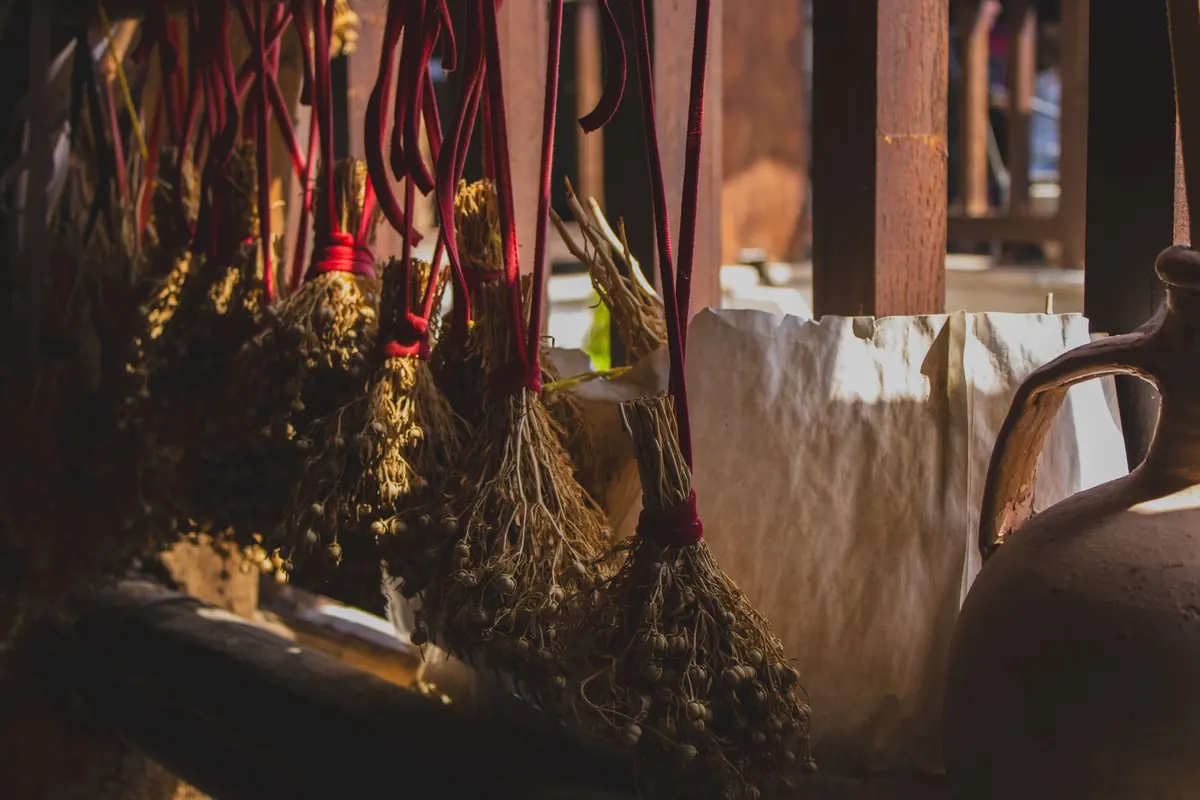
By late September the garden has made its decision for you. Thyme has gone woody, oregano is flopping over the rim of its pot, and basil is already sulking about the cold nights. Drying is the oldest and cheapest way to hold onto that flavor, but the method you choose changes what actually ends up in the jar. Dry basil in a hot oven and you get dusty green flakes that smell faintly of hay. Dry the same basil in a dehydrator at 100°F and it keeps a surprising amount of its sweetness. Here is how the three methods stack up, and which herbs belong to each.
Harvest and Prep Before You Choose a Method
Timing matters more than equipment. Cut herbs mid-morning, after the dew has dried but before the sun has baked the oils out of the leaves. For leaf herbs — basil, mint, parsley, oregano — harvest before the plant flowers. Once it bolts, the leaves turn bitter and the aromatic oils shift. Woody herbs like rosemary and thyme are more forgiving and can be cut almost any time, though they are most fragrant just before they bloom.
Rinse only if the herbs are dusty or gritty, then shake them dry or spin them in a salad spinner and spread them on a towel for an hour. Wet herbs mold. Discard bruised, yellowed, or insect-nibbled leaves. Leave small-leaved herbs on the stem; strip larger leaves like basil and sage away from the tough stalks.
Air Drying: Slow, Gentle, and Almost Free
Air drying is the best method for woody herbs and anything with small leaves: rosemary, thyme, oregano, sage, savory, bay, lavender, and the seed heads of dill, fennel, and coriander. It costs nothing, asks almost nothing of you, and preserves aroma better than any heat-based method.
Bundle five to eight stems, tie them with twine, and hang them upside down in a dark, dry, airy spot — a closet, an attic, a spare room. Light fades color and humidity invites mold, so a kitchen windowsill is the worst place in the house. If dust is a problem, slip each bundle into a paper bag with a few holes punched in the sides and tie the top loosely around the stems. For seed heads, hang them inside a closed paper bag and let the seeds drop as they dry.
Leaves are ready in one to three weeks. They should feel papery and crumble when rubbed between your fingers, and the stems should snap rather than bend. If you see grey fuzz or smell must, compost the bundle and start again with drier material. Screen drying works too: lay leaves in a single layer on a mesh rack in a dark room and turn them daily. It is faster for soft leaves like mint and lemon balm, but they collect dust.
The Oven: Fast, Hot, and Easy to Ruin
The oven is what most people reach for when rain is coming and the bundles are wilting. It works, with caveats.
Herbs dry best between 95°F and 115°F. Most home ovens will not go below 170°F, which is hot enough to drive off the volatile oils that make basil smell like basil. You can work around that: set the oven to its lowest setting, prop the door open with a wooden spoon, and check every fifteen minutes. The open door drops the temperature considerably, but it also makes the heat uneven.
Strip the leaves from the stems, spread them in a single layer on parchment, and dry for one to four hours, stirring gently every twenty or thirty minutes. Watch for leaves browning at the edges, a cooked or hay-like smell, and stems that crumble to powder instead of snapping. Any of those means you have gone too far.
Best for: herbs headed into long-simmered dishes where subtlety matters less — rosemary, thyme, sage, winter savory — and mint destined for tea. Poor for: basil, parsley, chives, chervil, and tarragon, which lose their color and top notes fast.
The Dehydrator: Consistent and Kind to Delicate Herbs
A dehydrator with an adjustable thermostat is the most controllable option, and the only one that reliably holds the low temperatures delicate herbs need. Set it to 95–105°F for basil, parsley, chives, mint, tarragon, and chervil; 115–125°F for woody herbs. Spread leaves in a single layer and do not crowd the trays. Rotate them halfway through if your model does not have a rear fan.
Delicate leaves take one to two hours; woody herbs on the stem take two to four. Check early the first time you dry a new herb, because the difference between done and overdone can be twenty minutes. The trade-offs are batch size, noise, and the electricity it draws — real considerations if you are drying a whole garden.
Head to Head
- Flavor retention: low-temperature dehydrator first, air drying a close second, oven a distant third. Heat is the enemy of aromatic oils, and the oven runs hottest.
- Speed: oven in hours, dehydrator in a few hours more, air drying in weeks.
- Color: dehydrator best, air drying good if the room is genuinely dark, oven worst.
- Cost and fuss: air drying is free but slow; the oven is free but risky; a dehydrator costs money up front but runs itself.
- Best herbs by method: woody and seedy herbs to the air; delicate leafy herbs to the dehydrator; tough, strongly flavored herbs to the oven.
Testing, Storing, and Using What You Dried
A properly dried leaf crumbles between your fingers. If it bends like leather, it needs more time — under-dried herbs mold in the jar, and you will not find out until you open it months later.
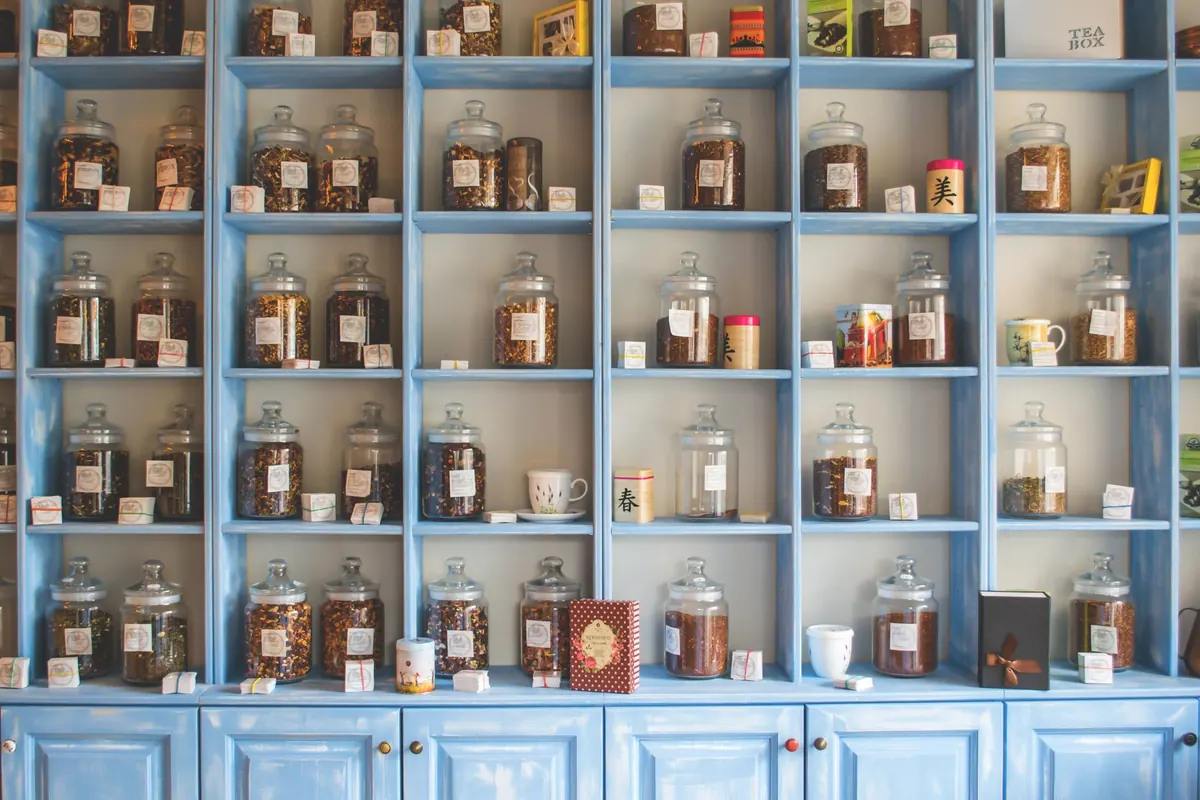
Store herbs whole and crush them as you use them; intact leaves hold their oils far longer than pre-crumbled ones. Airtight glass jars, labeled with the herb and the date, in a dark cupboard away from the stove. Check the jars a few days after filling: condensation inside the lid means the herbs were not dry enough, so return them to the dehydrator or a low oven. Most dried herbs keep good flavor for about a year; rosemary, bay, and thyme hold longer.
Use less than you would fresh. Dried herbs are more concentrated, so start with roughly one teaspoon dried for every tablespoon of fresh, and add them earlier in cooking so they have time to rehydrate. If you pack herbs into oil instead — basil in olive oil, say — keep the jar in the fridge or freezer and use it within a few days rather than leaving it out at room temperature.
A Weekend Routine That Actually Works
- Sort your harvest the moment it comes in: woody herbs into hanging bundles, delicate leaves into trays.
- Hang the bundles somewhere dark and forget about them for two weeks.
- Run the dehydrator for the soft herbs the same afternoon, checking at the one-hour mark.
- Use the oven only for whatever is left over and destined for stews.
- Label every jar with the herb and the date before it goes on the shelf.
None of this is fussy work. It is mostly waiting, and the reward is a shelf of jars in January that still smell like the garden — a pinch of thyme in a pot of beans, a spoonful of mint in a cup of tea. Pick the method that matches the herb and the afternoon you have, and the rest takes care of itself.
Photo: Gizem toprak / Pexels